
Which Mulch Is Best for Your Landscape?
In this guide, we’ll explore the most common types of mulch, their unique benefits, and how to choose the right option for your landscape. Whether you’re looking to improve soil health, retain moisture, or enhance your garden’s appearance, understanding the different mulch types will help you make the best choice for your plants.
1. Moisture Retention
One of the primary benefits of mulch is its ability to conserve soil moisture. By forming a protective layer over the soil, mulch reduces evaporation caused by sun and wind. This is especially valuable during the hot summer months, helping plants stay hydrated longer and reducing how often you need to water.
2. Temperature Regulation
Mulch acts as insulation for the soil. In the summer, it keeps roots cooler by shielding them from direct sunlight. In colder months, it helps maintain a more stable soil temperature, protecting roots from sudden freezes. This consistency reduces plant stress and promotes healthier growth.
3. Weed Suppression
A properly applied layer of mulch significantly reduces weed growth. By blocking sunlight, mulch prevents many weed seeds from germinating. Fewer weeds mean less competition for nutrients and water, allowing your plants to thrive without unnecessary interference.
4. Soil Health Improvement
Organic mulches—such as pine bark, hardwood, or compost—gradually break down over time. As they decompose, they enrich the soil with organic matter, improving its structure, drainage, and nutrient content. This creates a healthier growing environment for roots.
5. Erosion Control
Mulch helps prevent soil erosion by reducing the impact of heavy rain and slowing water runoff. This is particularly important in sloped areas or regions that experience strong storms. Keeping soil in place ensures plant roots remain stable and nutrients aren’t washed away.
6. Enhanced Curb Appeal
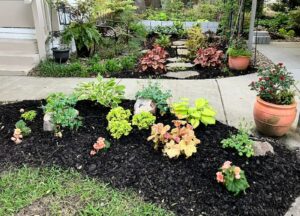
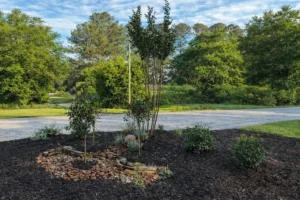
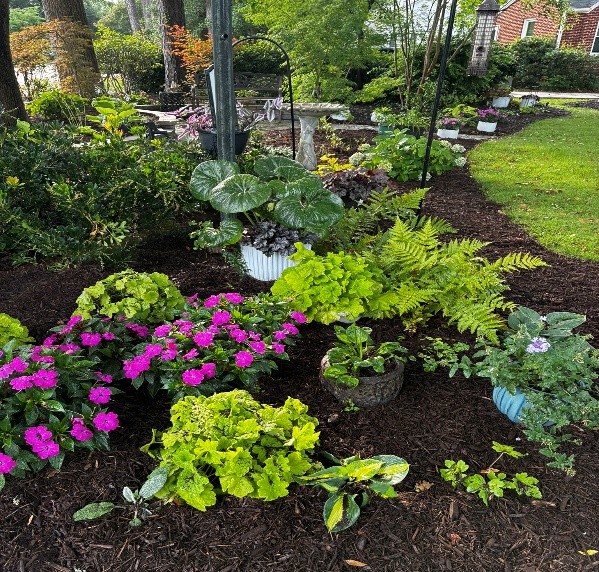
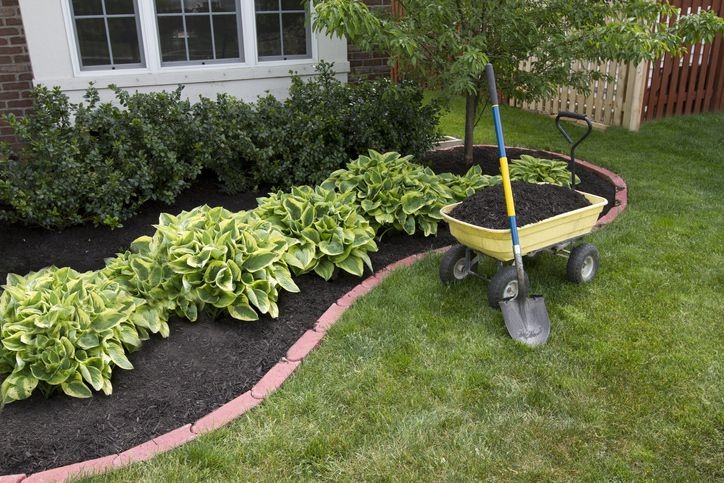
Beyond its functional benefits, mulch provides a clean, finished look to your landscape. It creates contrast, defines planting beds, and highlights the color and texture of your plants. A freshly mulched bed can instantly elevate the appearance of your property.
7. Reduced Soil Compaction
Without mulch, soil is more exposed to foot traffic and heavy rain, which can lead to compaction. Compacted soil restricts root growth and limits water penetration. Mulch acts as a buffer, preserving soil structure and promoting better root development.
Types of Mulch
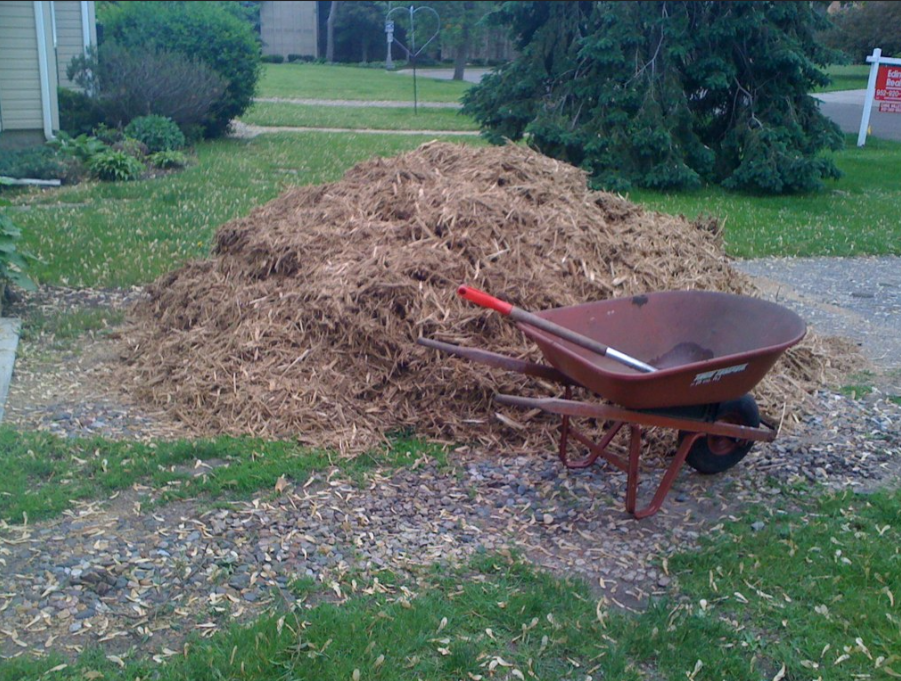
Choosing the right mulch depends on your goals, plant types, and maintenance preferences. Mulch generally falls into two categories: organic and inorganic.
Organic Mulches
These are derived from natural materials and improve soil as they decompose.
- Pine Straw (Pine Needles): A popular choice in the Southeast. Lightweight, easy to spread, and excellent for erosion control. Ideal for slopes and around shrubs and trees.
- Pine Bark (Mini Nuggets or Fines): Long-lasting and attractive. Bark fines are especially good for flower beds because they knit together and resist washing away.
- Hardwood Mulch: Widely available and cost-effective. Breaks down faster than bark, enriching the soil more quickly, but may require more frequent replenishing.
- Compost or Leaf Mulch: Both are excellent. Compost feeds plants for immediate growth, while leaf mulch (leaf mold) excels at improving long-term soil structure, moisture retention, and weed suppression. For the best results, use compost during the growing season and leaf mulch in fall/winter to protect soil.
- Cypress Mulch: Durable and slow to decompose, but should be sourced responsibly to avoid environmental concerns.
Inorganic Mulches
These do not break down and are primarily used for long-term coverage.
- Rubber Mulch: Made from recycled materials. Long-lasting and does not decompose, but does not improve soil and can retain heat.
- Stone or Gravel: Ideal for drainage areas, pathways, or around foundations. Very low maintenance, but not suitable for most plant beds due to heat retention and lack of nutrients.
Which Mulch Is Best?
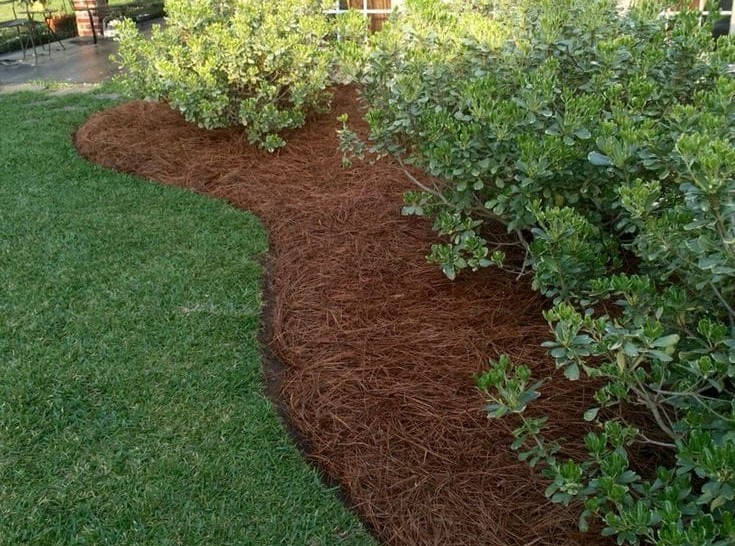
My personal favorite is Hardwood Mulch. However, in regions like South Carolina—pine straw and pine bark are often found in flower beds and landscape areas.
- Longevity: Pine bark generally lasts 1-2 years, whereas shredded hardwood often requires annual replacement.
- Soil Impact: Pine bark is slightly acidic; hardwood is neutral. Pine Bark is best for acid-loving plants like blueberries, azaleas and dogwoods. Hardwood mulch decomposes faster to enrich soil with nutrients and is often cheaper.
- General landscape beds and areas needing good weed suppression: Hardwood Mulch is best.
- Best For Large Areas: Pine straw
- Best Low-Maintenance Option: Pine bark mulch which is lightweight, resist fading and is easy to apply.
If your goal is healthy plants and long-term soil improvement, organic mulch is always the better choice. Inorganic options have their place but are best reserved for decorative or non-plant areas.
Best Practices for Mulching
- Depth Matters: Apply mulch 2–3 inches deep. Too little won’t be effective; too much can suffocate roots.
- Keep It Away from Stems: Avoid piling mulch against plant stems or tree trunks. This can lead to rot and pest issues.
- Refresh Annually: Organic mulch breaks down over time, so plan to replenish it once or twice a year.
- Choose the Right Type: Match your mulch to your landscape’s needs and your maintenance goals.
Final Thoughts
Mulching is more than just a finishing touch—it’s a foundational practice for maintaining a healthy, attractive landscape. By selecting the right type of mulch and applying it properly, you can significantly improve plant health, reduce maintenance, and enhance the beauty of your outdoor space.
A well-mulched bed isn’t just good gardening—it’s smart landscaping.
Contact Carolina Hardscapes today to schedule a consultation.
Call 803-636-7127 or send us a message to get started.